
PTSD & flashbacks
An accident, sudden loss, medical emergency, or other single event that still replays in flashbacks, nightmares, or a constant sense of alarm.
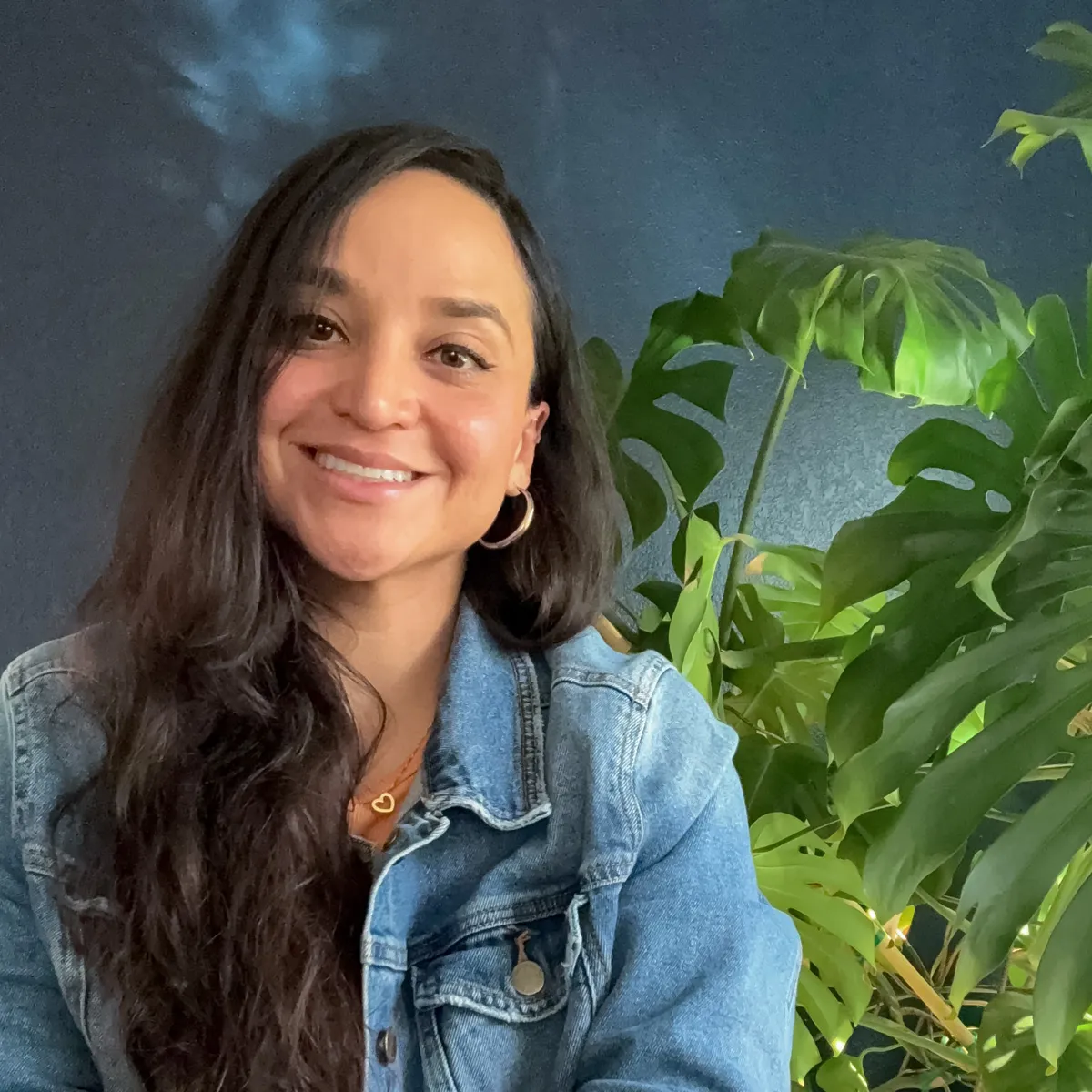
EMDR & TRAUMA SPECIALIST
Work through PTSD, childhood and relational trauma, and CPTSD without having to retell every detail. Evidence-based EMDR over secure video with a warm, direct therapist.
DOES THIS SOUND FAMILIAR?
Trauma doesn't always look the way people expect. Sometimes it's one moment that split your life into before and after. Sometimes it's years of feeling unseen, unsafe, or never good enough. Either way, you might…
Understanding why you react this way isn't the same as feeling free of it. That's where EMDR comes in.
HOW EMDR WORKS

When distressing events happen, they can get stuck in the nervous system in an unprocessed state. That's why an old memory can still feel like it's happening now.
Talk therapy can help you understand the past. EMDR (Eye Movement Desensitization and Reprocessing) works on how the memory itself is stored. With guided bilateral stimulation, distressing memories tend to lose their intensity, so the past has less say in how you react today.
It's one of the most researched trauma treatments available, and it's recommended for PTSD by both the World Health Organization and the VA/DoD clinical practice guidelines.
The goal isn't to erase the memory. It's for the memory to stop hurting the way it used to.
You don't have to tell me every detail for this work to help. You only have to be willing to notice what comes up. We'll take it from there, together.
WHAT TO EXPECT
EMDR adapts well to telehealth. Virtual sessions happen over secure video, and you won't be thrown into your hardest memories on day one. Here's how the work unfolds.
We talk about your history, what you want to feel differently, and which memories or triggers to focus on.
Before touching anything painful, we practice grounding and calming skills so you always have a steady place to return to.
You briefly bring a memory to mind while following bilateral stimulation: a visual cue on screen, gentle tapping, or tones through headphones. You set the pace and can pause anytime.
We close every session with grounding before you go. Over time, the goal is for the memory to lose its charge and for healthier beliefs about yourself to take its place.
All you need: a private space, a stable internet connection, and headphones if you'd like to use audio tones.
AREAS OF FOCUS
Trauma isn't measured by how big something looks from the outside, but by how much it still lives in you. These are the areas I work with most often.
An accident, sudden loss, medical emergency, or other single event that still replays in flashbacks, nightmares, or a constant sense of alarm.
Childhood emotional neglect, chronic invalidation, and attachment wounds from family or close relationships that still shape how you relate to others and to yourself.
When the hurt was repeated or ongoing rather than one event. We build stability first, then work through memories in layers so the process stays manageable.
Sudden adrenaline surges, fight-or-flight reactions, and chronic tension your body can't seem to release.
Persistent feelings of being unsafe, unworthy, or never good enough, no matter what you accomplish.
Intrusive thoughts and compulsions often respond best to ERP, and the two approaches can work together.
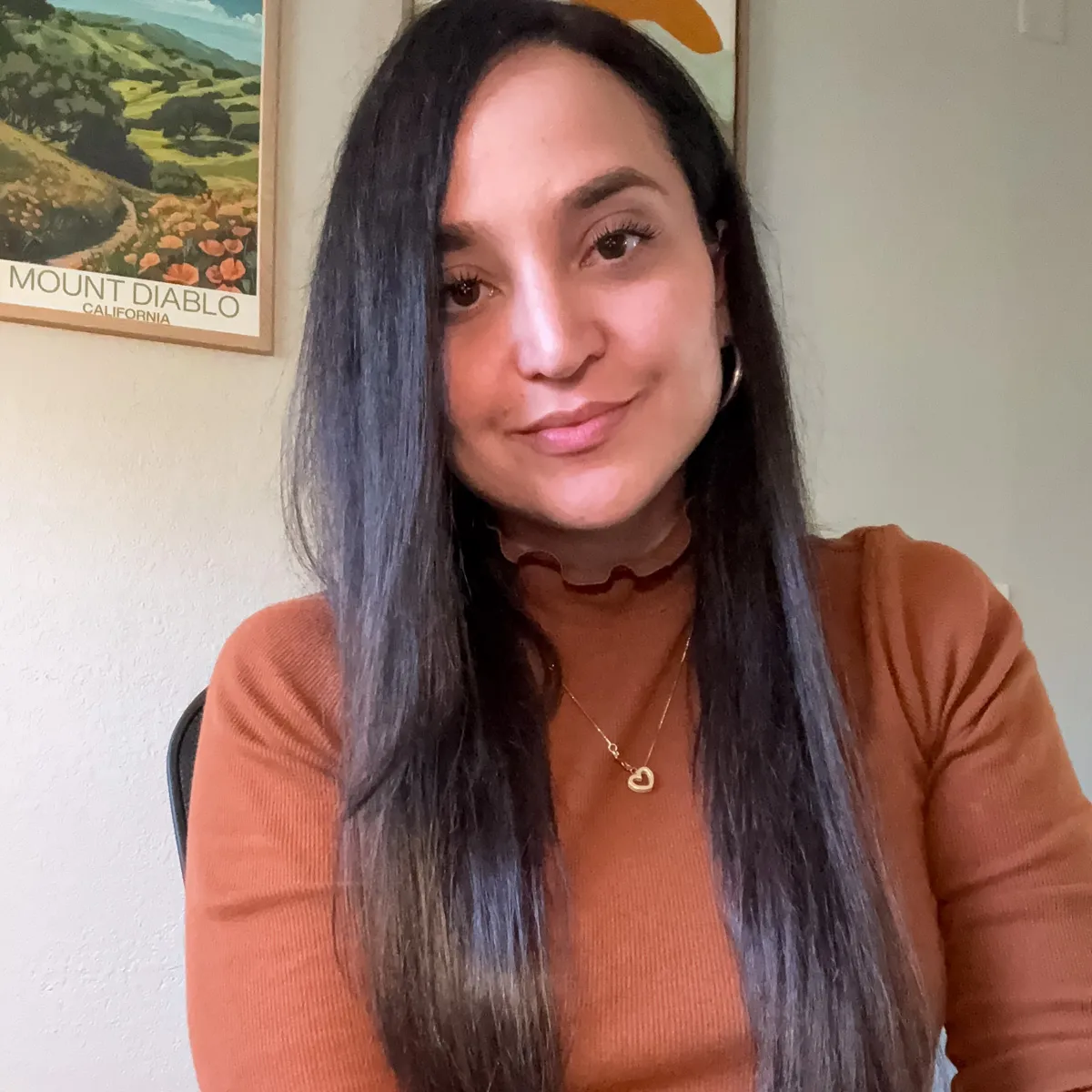
YOUR EMDR THERAPIST
I'm a Licensed Marriage & Family Therapist (LMFT) and trauma therapist with over ten years of clinical experience and EMDRIA-approved EMDR training. I specialize in PTSD, childhood and relational trauma, and complex trauma (CPTSD), and I work with clients anywhere in California by secure video. My sessions are warm, direct, and collaborative. You'll always know what we're doing and why, and we'll move at a pace that feels safe for you.
RATES
PRIVATE PAY
Cards, HSA, and FSA accepted.
PPO PLANS (OUT-OF-NETWORK)
Many PPOs reimburse a portion once your deductible is met. Mentaya files your claims automatically, so there's no paperwork on your end.
QUESTIONS ABOUT ONLINE EMDR THERAPY
You won't have to describe every detail out loud. You briefly hold a memory in mind while your brain does the processing, and you can pause at any time. It can still stir up strong feelings, during sessions and sometimes between them, which is why we build grounding skills first.
Many clients find online EMDR effective, and some feel more at ease processing difficult memories in a space where they already feel safe. Bilateral stimulation works over video too: you can follow a moving cue on your screen, tap gently on your shoulders or knees, or listen to alternating tones through headphones. We'll find what feels most comfortable and talk about whether online EMDR is a good fit during your free consultation.
Yes. As long as you're physically located in California during each session, we can work together from wherever you are in the state.
Yes. EMDR for childhood and relational trauma focuses on the early experiences and close relationships behind beliefs like “I'm not safe” or “I'm not enough.” That includes what didn't happen, like emotional neglect, not only what did.
Yes. Complex trauma, sometimes called CPTSD, grows out of hurt that was repeated or ongoing, often in childhood or close relationships, rather than a single event. EMDR can help, but it usually calls for a gentler start. We spend more time building stability and grounding first, then work through memories in layers instead of all at once.
EMDRIA, the EMDR International Association, sets the professional standards for EMDR training. I completed my EMDR training through an EMDRIA-approved program, which covers the full eight-phase EMDR protocol along with supervised practice and consultation. If you're comparing EMDR therapists, it's worth asking about.
It depends on what we're working on. A single distressing event may resolve more quickly than long-standing relational or childhood wounds. We'll check in on your progress regularly so you always know where you stand.
I'm an out-of-network provider, so I'm not part of any insurance network. If you have a PPO plan, you may be reimbursed for a portion of each session once your deductible is met. PPO plans from carriers like Anthem, Aetna, Blue Shield, Cigna, and UnitedHealthcare often include out-of-network benefits, but coverage depends on your specific plan. HMO and EPO plans usually don't. I partner with Mentaya, so your claims are filed for you, and we can check your benefits before we start.
Start with a free, no-obligation 15-minute consultation. Ask your questions, share what you're hoping to change, and see if EMDR feels like the right fit.